Newsletter Subscribe
Enter your email address below and subscribe to our newsletter

 ByJohn A
The Road to Speciality Home Coffee Preparation Diving into the realm of specialty coffee preparation marks a wonderful metamorphosis from simple morning ritual of getting that much needed caffeine hit to the one which will bring true pleasure in making a delicious drink. There are numerous people who cannot stand any more inconsistent instant coffees or pod systems and dream about being able to brew something similar to that which they can have in an expensive cafe. Learning how to make espresso at home requires a blend of scientific precision, high-quality hardware, and patient hands-on practice. As opposed to automatic brewing system which takes care of everything itself, espresso preparation allows you to have full control of flavors balance, extraction time and beverage strength. Trying out different types of beans, water temperature and grind size will develop your taste buds and make you appreciate all the tastes inside your favorite coffee.
The key to making an extraordinary espresso begins before the water even touches the portafilter, from choosing the right coffee beans to storing them properly. Freshly roasted specialty coffee beans ensure crema, bright acidity, and a complex aroma of your coffee. With old beans, all the volatile substances quickly dissipate, leading to unappetizing flavors and dull, flavorless espressos. Store your coffee beans in an opaque, airtight box in a cool, dry place. You may choose from numerous flavors of single-origin beans, which may vary from citrus to dark chocolate or opt for well-balanced and dense blends of coffee. Trying different roasts helps to determine what suits you best and understand how the moisture content and density of the beans affect your espresso routine. Choosing high-quality coffee is the key element on your way to flavor perfection.
After selecting the right coffee beans for your brewing experience, the next equally important step in preparing the espresso is grinding your coffee to achieve the right level of fineness that is needed. The pre-ground coffee will oxidize after just a few minutes; therefore, having a burr grinder at hand is imperative for coffee aficionados. The grind must be fine enough to create resistance to the water being pushed against but not so much that it creates difficulty in passing water through. Weighing the right amount of the coffee dose to one tenth of a gram will give you perfect repeatability. Having your coffee grind too fine will result in an over-extracted and burned shot of coffee because of too little flow. On the other hand, when your coffee is ground too coarse, your shots will be under-extracted and very sour with thin body and watery texture.
Having weighed out and ground your coffee into the portafilter basket, the process of puck preparation is key to ensuring that water passes evenly through every grain. If water is allowed to pass through unevenly due to improper distribution, this will create weak areas which allow the water to easily flow through, a problem called “channeling” and is frustrating to say the least. Tools for distribution or the use of your fingers will allow you to distribute the coffee evenly inside the basket before applying downward pressure using a calibrated tamper. The act of tamping the coffee will press the loosely packed coffee together into an evenly compacted puck that can hold up to nine bars of pressure without cracking or breaking apart. An evenly tamped puck is important because the water will be able to saturate the entire puck at once and extract all the necessary solubles from the coffee.
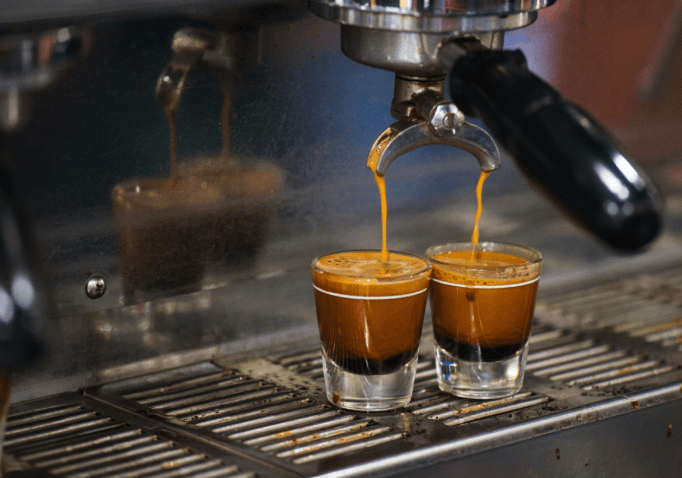
The machine is responsible for the mechanics behind heating and pressuring the water with precision once the portafilter is firmly attached to the group head. Contemporary prosumer equipment makes use of pumps to force water through the coffee puck with around nine bars of pressure, the industry standard. During the extraction process, you watch the rate of flow changing from dark water into a honey-like flow and then fading to a light blonde one. Knowing the science of making an espresso gives you the ability to control the timing of pre-infusion, flow profile, and yield of shots according to the roast profile you choose. By stopping the extraction process at the right point, you avoid extracting bitter and astringent compounds, retaining sweetness and complexity of flavors. Thus, the interaction of pressurized water and resistance in coffee makes the science of fluid dynamics into an art.
The process of learning how to make espresso is continuous and involves not only practice but also studying. Be it dealing with irregular flow rate, replacing the equipment, or mastering milk frothing skills, professional advice can be very helpful. Manuals and tutorials that include a guide to home espresso making provide the necessary information to overcome difficulties and enhance your skills. Comprehensive manuals and instructional guides, such as a dedicated home espresso guide, provide the clarity needed to overcome common hurdles and improve your technique. With deep technical expertise combined with enthusiasm and practical work, you will be able to reach the heights of specialty coffee brewing at home. Appreciate every step on the way to success, enjoy your victories, and relish the joy of serving professionally made drinks right in your kitchen.