Newsletter Subscribe
Enter your email address below and subscribe to our newsletter

 ByJohn A
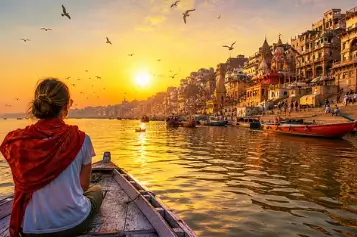
Varanasi attracts pilgrims and travellers to the banks of the Ganga each year, for the dawn boat rides, the riverside ghats and the evening aarti. The city’s weather swings to extremes, from fierce summer heat to a misty, fog-bound winter, and it can make or change a day’s plans. For a visitor or a resident, a quick check of the tomorrow weather varanasi helps decide when to be on the river, when to see the temples, and when to rest through the worst of the heat. Here is how tomorrow’s outlook guides a day in the city.
Varanasi moves through sharp seasons, and each asks for a different plan.
May is the hottest month in Varanasi, with average daytime highs near 40°C by climate records, and hot spells can push higher. The heat builds from April and stays fierce until the monsoon reaches the city around June. The middle of the day is draining. The open stone ghats offer little shade during the hottest part of the day. In this season the dawn boat ride and the early morning are the time to be out, with the hot hours kept for rest indoors. Long spells outdoors on the riverfront need water, a hat and shade, and the temples and lanes give more cover than the open steps. Tomorrow’s high tells a visitor whether to start before sunrise and be back by mid-morning.
The monsoon arrives around June and lasts into September, raising the river and the humidity, with July the wettest month. In high-water years the Ganga can rise above its danger mark: in August 2025 the swollen river submerged the lower ghats and boat operations were suspended. From November the air cools, and comfortable afternoons near 24°C make winter the main visiting season. On the big festival nights, such as Dev Deepawali in November, the ghats fill with people, so a visitor plans around both the forecast and the crowds when timing the river. Dawn fog is common through the winter, and it can cut visibility on the river and delay the sunrise boat ride. Tomorrow’s outlook shows whether the morning will be clear for the water or wrapped in mist.
A day-ahead view turns the city’s weather into a simple plan.
• A clear winter morning is a good window for the sunrise boat ride; heavy fog may make it sensible to visit the temples first and wait for visibility to improve.
• A hot summer day ahead means an early start and a long midday rest out of the sun.
• Heavy monsoon rain forecast is a sign the lower ghats and the boats may be affected.
• A mild, dry evening is ideal for the Ganga aarti and a walk along the ghats.
See also: How to Make a Good First Impression With a Potential Employer
A forecast for the wider region can miss how the next day looks over the city and the river. MeteoFlow lays out Varanasi’s hour-by-hour outlook for tomorrow, covering temperature, rain, wind and humidity, with an eight-day view beyond it. A traveller can see whether tomorrow’s dawn will be clear for the boats, how hot the afternoon will climb, and whether rain is due. Planning the river, the temples and the aarti around that outlook saves a wasted early start or a soaking.
A day in Varanasi is better for a little planning, and the weather is the first thing to check, whether the goal is a clear dawn on the river or a cool evening at the aarti. Knowing what the tomorrow weather varanasi will bring lets a visitor put the boat ride, the temples and the ghats in the right order, around the heat, the rain or the fog. A tomorrow forecast from MeteoFlow puts that day-ahead view a glance away.