Newsletter Subscribe
Enter your email address below and subscribe to our newsletter


 ByJohn A
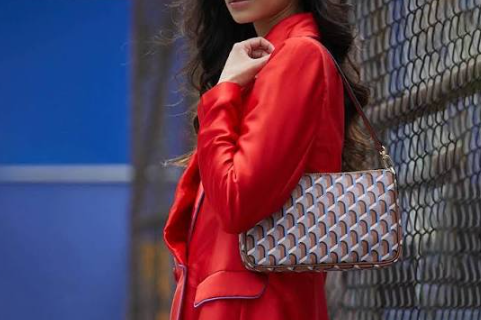
A handbag can influence both the appearance and practicality of an outfit. While trends change from season to season, certain designs remain useful because they combine thoughtful construction with everyday versatility. Material, shape, size, storage, and carrying comfort all contribute to whether a handbag becomes a regular part of a wardrobe.
For shoppers considering a leather handbag, the decision often involves more than choosing a particular colour or silhouette. Leather can offer a distinctive appearance and tactile quality, while a well-designed structure can make the accessory suitable for workdays, weekends, social occasions, and travel. The key is to understand what makes a bag practical as well as visually appealing.
The construction of a handbag affects how it looks, feels, and performs during everyday use. Stitching, seams, handles, hardware, lining, and closures all deserve attention when comparing different designs.
A well-organised interior can make daily routines easier. Separate compartments may help keep smaller items accessible, while a secure closure can provide additional convenience when moving through busy environments.
The shape of the bag also matters. Structured designs can maintain a defined silhouette, while softer designs may provide greater flexibility. Neither option is universally better; the right choice depends on personal preferences and how the handbag will be used.
The material is one of the first characteristics shoppers notice. Leather is particularly popular because it can provide a refined appearance while offering a range of textures and finishes.
Different types of leather can feel and look quite different. Some have a smooth surface, while others have a more textured or natural appearance. The finish can influence how formal, casual, modern, or traditional a handbag appears.
When choosing a leather handbag examine more than the surface. Look at the stitching, edges, handle attachment points, hardware, and interior construction. These details help create the overall character of the accessory.
Material choice should also be considered alongside maintenance. Some finishes may show scratches or marks more easily than others, while lighter colours can require additional attention.
A handbag should provide enough room for the belongings you normally carry without becoming unnecessarily bulky.
Start by making a simple list of daily essentials. This might include a smartphone, wallet, keys, sunglasses, cosmetics, notebook, charger, or other personal items.
Compact designs are useful for short outings and occasions when only essential belongings are required. They can also create a streamlined appearance when paired with simple outfits.
However, always check internal measurements. A bag may appear larger in photographs than it actually is.
Medium-sized styles often provide a useful balance between capacity and portability. They can accommodate everyday items while remaining relatively easy to carry.
For people who want one handbag for several regular activities, this size can be worth considering.
Larger designs may be suitable for long workdays, commuting, or situations where additional belongings need to be carried. Capacity should nevertheless be balanced against weight.
An oversized handbag can become uncomfortable if it is consistently filled with heavy items. Consider both the bag’s empty weight and its likely contents.
The silhouette of a handbag contributes strongly to its overall appearance.
A structured handbag can create a polished impression and work well with professional clothing. A softer shape may feel more relaxed and suit casual wardrobes.
Bucket-inspired designs can provide flexible interior space, while rectangular silhouettes can offer a more organised appearance. Rounded or curved shapes may create a softer visual effect.
Think about your existing wardrobe when choosing a shape. A handbag should complement the clothes and footwear you already wear rather than requiring an entirely new style around it.
Comfort is easy to overlook when shopping for accessories. A handbag can look excellent but become inconvenient if its handles are uncomfortable or its carrying position does not suit your routine.
Short handles can work well for handheld or forearm carrying. Longer handles may allow the bag to sit comfortably on the shoulder. Some designs may offer additional carrying options, increasing their versatility.
Pay attention to handle width and attachment points. A narrow handle carrying a heavy load may feel different from a wider, more supportive design.
If possible, imagine the handbag filled with the items you normally carry. This gives a more realistic idea of how it might feel during extended use.
Colour can determine how versatile a handbag becomes.
Black is a common choice for its ability to complement formal and casual clothing. Brown, tan, cream, and other neutral shades can provide a softer alternative.
More vibrant colours can add personality to a simple outfit. They may be particularly useful for people who already have several neutral accessories.
When choosing a colour, consider the clothing you wear most often. A handbag that coordinates with several outfits is more likely to become a reliable part of your everyday wardrobe.
The inside of a handbag deserves as much attention as its exterior.
A large open compartment may be convenient for carrying irregularly shaped belongings, but smaller pockets can make organisation easier. A zipped pocket can provide a dedicated place for valuable small items, while open sections can keep frequently used belongings accessible.
Think about your own habits. If you regularly spend time searching for keys or headphones, a compartmentalised interior may make a noticeable difference.
The lining is also worth checking. A practical lining should suit the intended use and be manageable to maintain.
Good care can help preserve the appearance of a leather accessory.
Always follow the care instructions provided for the specific material. Different leather finishes can react differently to cleaning products, moisture, and heat.
For routine maintenance, gently remove dust with an appropriate soft cloth. Avoid using household cleaners unless they are specifically recommended for the material.
Storage is equally important. Keep the handbag away from prolonged direct sunlight, excessive humidity, and unnecessary heat. When the bag is not being used, appropriate protective storage can help reduce exposure to dust and surface damage.
Avoid overfilling the handbag. Excess contents can place pressure on the seams, handles, closures, and overall structure. Keeping the interior organised also helps the bag retain its intended shape.
A wardrobe does not need dozens of handbags to provide variety. A carefully selected collection can cover different occasions without creating unnecessary clutter.
One practical everyday design can handle regular activities, while a smaller option can work for evenings or events. A larger silhouette may be useful for work or travel.
Rather than buying every new trend, consider whether a design fills a genuine gap in your wardrobe. This approach can make shopping more intentional and help ensure that each handbag receives regular use.
Personal style should remain central to the decision. Fashion advice can provide inspiration, but the best accessory is one that fits your routine and feels natural to carry.
Before completing a purchase, consider several practical questions.
Will the handbag hold everything you normally carry? Is the weight comfortable? Does the colour coordinate with your wardrobe? Are the handles practical? Is the closure easy to use? Does the interior provide enough organisation?
Also consider maintenance. If the handbag requires specialised care, make sure you are prepared to follow those recommendations.
Taking a few minutes to evaluate these details can prevent disappointment and help you choose a design that remains useful well beyond the initial purchase.
1. What makes a leather handbag suitable for everyday use?
A practical everyday design should provide enough capacity, comfortable carrying options, secure closures, useful organisation, and construction suited to regular use.
2. How can I choose the right handbag size?
Consider the items you carry every day and compare them with the bag’s actual dimensions. Avoid choosing a size based solely on photographs or appearance.
3. How should a leather handbag be stored?
Follow the manufacturer’s care instructions and keep the handbag in a dry, suitable environment away from prolonged heat, humidity, and direct sunlight. Avoid overfilling it during use or storage.
A handbag becomes a valuable wardrobe accessory when style and practicality work together. Material, construction, size, colour, shape, carrying comfort, and interior organisation all contribute to the overall experience.
A leather handbag can suit many different settings when its design matches the wearer’s lifestyle. By looking beyond trends and evaluating the details that matter in everyday use, shoppers can make more considered choices and select accessories that remain useful, comfortable, and stylish over time.