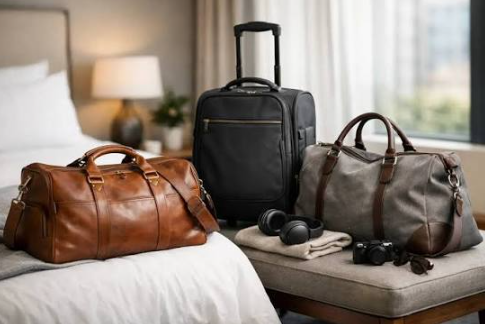

Travel involves a series of practical decisions, from planning transport and accommodation to deciding what to pack. The bag used for a journey is an important part of that preparation. It needs to hold the right belongings, remain comfortable to carry and suit the type of trip being planned.
A suitable travel bag can make packing more organised and reduce unnecessary inconvenience. However, the ideal choice is not the same for every traveller. A short weekend away, a business trip and a longer holiday may each require a different combination of space, structure and carrying options.
Start With the Length and Purpose of the Trip
The first step is to consider how long the journey will last. A short overnight stay may require only a few clothing items and personal essentials, while a longer trip may call for more storage capacity.
The purpose of the journey also matters. Business travellers may need room for documents, electronic accessories and clothing that should remain presentable. Leisure travellers may prioritise flexible space for casual clothing, toiletries and items purchased during the trip.
A bag should be selected according to realistic packing needs. Choosing one that is too small can create unnecessary pressure, while an oversized bag may be difficult to manage when travelling through stations, airports or crowded streets.
Consider Storage and Organisation
Internal organisation can make a major difference to the travel experience. Compartments help separate clothing from smaller accessories, while zipped pockets can provide convenient places for items that need to remain accessible.
Before choosing a design, consider what you usually carry. Some travellers prefer one main compartment with packing cubes, while others find several built-in sections more useful. External pockets can provide quick access to travel documents or small essentials, although valuable belongings should always be stored securely.
It is also helpful to think about the shape of the bag. A structured design may make packing easier, while a softer construction can provide flexibility when storing different types of items.
Choose Comfortable Carrying Options
A travel bag should be manageable when full, not just when empty. Handles should feel comfortable, and shoulder straps should be suitable for the expected load. If the bag will be carried over longer distances, weight distribution becomes especially important.
Some travellers prefer a hand-carried design for short transfers, while others need an adjustable strap that allows them to keep their hands free. The choice depends on personal comfort and the nature of the journey.
It is worth checking the bag’s dimensions and weight before purchasing. Airline cabin baggage rules can vary, so travellers should confirm the requirements of their specific carrier rather than assuming that one size is accepted everywhere.
Select Materials for the Intended Use
Travel bags are exposed to handling, movement and changing environments. Material selection should therefore reflect the conditions in which the bag will be used.
A lightweight material may be useful for frequent journeys, while a more structured fabric can help the bag retain its shape. The surface should be easy to maintain, and seams, handles and fastening points should be checked for quality.
Care instructions are important too. Some materials can be cleaned with a soft cloth, while others require more specific treatment. Proper storage between trips can help protect the bag from unnecessary wear.
Think About Style and Versatility
A travel accessory is often used in different settings, so a versatile design can be a practical choice. Neutral colours may coordinate easily with other luggage and clothing, while a distinctive shade can make the bag easier to recognise.
The overall appearance should suit the traveller’s preferences without compromising function. A simple design may be appropriate for business travel, while a more expressive style may suit leisure trips.
Travellers interested in a personalised travel bag can explore the available design options and consider how custom details fit with their intended use. Personalisation may also make a travel accessory easier to distinguish from similar bags.
Pack Efficiently Before Departure
Even a well-designed bag can become inconvenient if it is packed without a plan. Begin by making a list of essentials and removing items that are unlikely to be needed. Rolling suitable clothing, using packing organisers and keeping toiletries in separate pouches can help make better use of available space.
Important documents, medication and valuables should be kept in appropriate secure places and remain accessible when required. Before leaving, check the bag’s fastening, compartments and overall weight.
Frequently Asked Questions
1. What size travel bag is suitable for a short trip?
The right size depends on the length of the trip, clothing requirements and personal packing habits. Check the bag’s dimensions and compare them with any transport restrictions.
2. Are personalised travel bags practical?
They can be practical when the selected design offers suitable storage and comfortable carrying options. Custom details may also help identify the bag.
3. How can I keep a travel bag in good condition?
Follow the manufacturer’s care instructions, avoid overloading it and store it in a clean, dry place between journeys.
Conclusion
A suitable travel bag supports a more organised and comfortable journey. By considering trip length, storage, carrying comfort, material and personal style, travellers can select an option that meets their needs. Thoughtful packing and proper care can further improve the experience and help the bag remain useful for future journeys.