
Newsletter Subscribe
Enter your email address below and subscribe to our newsletter

 ByJohn A
Snoring often starts as a small joke between partners. Then the broken sleep, dry mouth, and morning fatigue begin to add up. One person wakes from the noise, while the other may not know it happened. The next day feels slower, patience runs thin, and coffee works overtime. We wrote this guide because snoring deserves more than guesswork or another unused nose strip. It explains why the airway may narrow during sleep and how jaw support can help. It also covers fitting, comfort, care, and signs that need medical review. For some adults, better sleep may be supported by a custom Mandibular Advancement Splint (MAS) after a proper assessment. The device gently holds the lower jaw forward while the person sleeps. That small shift may help keep the airway more open.
We will keep the facts clear and the advice practical. You will learn what the splint does, who may benefit, and what the first weeks can feel like. We will also explain why store-bought guards are not the same as custom oral devices. The aim is not to make bold promises. Snoring has many causes, and one tool cannot suit every sleeper. Still, the right care can make nights calmer and mornings less foggy. This guide helps you ask useful questions before choosing treatment. It also shows how follow-up care protects your teeth, jaw, and bite. Better rest may begin with a simple idea: stop treating the sound alone and check what causes it.
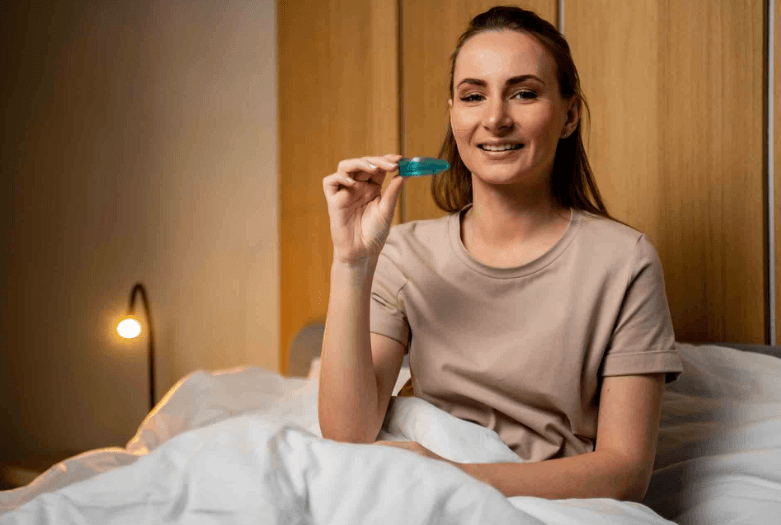
A mandibular splint sits over the upper and lower teeth. It keeps the lower jaw in a slightly forward position. This can move the tongue and soft tissue away from the throat. More space may allow air to pass with less vibration. Less vibration often means less snoring. The device does not push the jaw as far as possible. A trained clinician sets it at a safe and useful level.
Key effects may include:
Results vary between people. Weight, nose blockage, sleep position, and jaw shape can affect the outcome. Some users notice a change quickly, while others need careful adjustments. Follow-up visits help improve comfort and response. A splint should feel secure, but it should not cause sharp pain. Proper fitting matters more than flashy claims.
A custom device starts with a full review of your mouth and sleep concerns. The clinician checks your teeth, gums, jaw joints, and bite. They may also ask about headaches, grinding, choking, or daytime sleepiness. These details help show whether the device is suitable. Impressions or digital scans are then used to shape the splint. A close fit keeps it stable through the night. It also lowers the risk of uneven pressure on the teeth.
1. Oral check: Healthy teeth and gums are important before treatment begins. Loose teeth or untreated decay may need care first. This gives the device a safer base.
2. Jaw setting: The jaw moves forward in small steps. Too much movement may cause soreness. Slow changes allow the muscles and joints to adapt.
3. Bite review: Morning bite changes can happen at first. Simple jaw exercises may help the bite settle. Regular checks can spot lasting changes early.
4. Progress check: The clinician reviews comfort, snoring, and sleep quality. The setting may be changed when needed. Fine-tuning often makes the device easier to use.
A new oral splint may feel strange at bedtime. Extra saliva is common during the first few nights. Some people notice a dry mouth instead. Mild tooth pressure or jaw tightness can also occur. These effects often ease as the mouth adapts. Wearing the device as advised helps build a steady routine. Skipping many nights may make the adjustment period last longer.
Useful care habits include:
Check the device often for cracks, rough edges, or a loose fit. Do not force it into place when it feels different. Tooth movement, dental work, or wear may change the fit over time. Report ongoing pain, jaw locking, or bite changes. A well-kept device can last longer and feel much better. Night care is simple, but yes, it still needs care.
See also: The Role of AI in Business Process Automation
Not all snoring is harmless. Loud snoring with choking, gasping, or breathing pauses may point to sleep apnea. Morning headaches and strong daytime sleepiness also deserve attention. Falling asleep while driving is a serious warning sign. High blood pressure can also occur with poor nighttime breathing. A sleep study may be needed before any device is prescribed. This helps match treatment to the true cause.
Seek professional advice when you notice:
An oral splint may help some cases of mild or moderate sleep apnea. It may also suit people who cannot use other treatments. Yet the choice should follow a proper diagnosis. A dentist, doctor, or sleep clinician may work together on the plan. Clear testing removes doubt and supports safer care. Snoring is a sound, but the reason behind it matters most.
Snoring can affect sleep, mood, focus, and close relationships. A custom oral splint may help when jaw position plays a role in airway narrowing. Good results depend on careful assessment, proper fitting, and regular review. We encourage readers to look beyond quick fixes and seek advice based on their own sleep patterns.
We are here to support clear choices, not rushed ones. Speak with a qualified sleep or dental professional about your symptoms, health, and treatment goals. Bring your questions and mention any choking, breathing pauses, or daytime fatigue. A thoughtful review could be the first gentle step toward quieter nights and mornings that finally feel rested.
