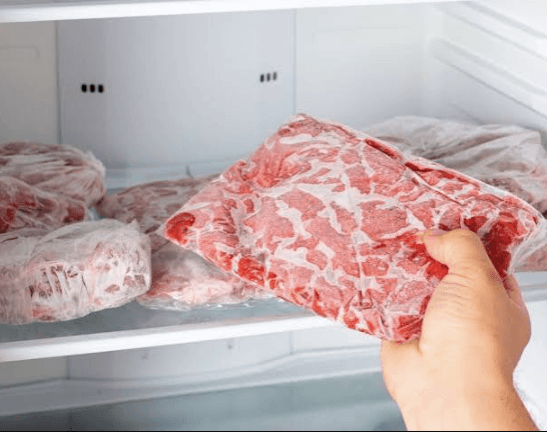

An organized kitchen makes it easier to prepare meals consistently, control food costs, and reduce unnecessary waste. Meat storage deserves particular attention because beef is a perishable ingredient that requires suitable temperature control before cooking. Whether a household prepares a few meals each week or a restaurant serves customers throughout the day, an effective storage routine can make daily operations more manageable.
Frozen products can help kitchens maintain an inventory of ingredients for future use. However, simply placing meat in a freezer is not a complete storage strategy. Packaging, labeling, temperature stability, stock rotation, and thawing procedures all influence the quality and safety of the final meal.
Establishing a Reliable Storage System
A good storage system begins with understanding the available space and the expected rate of consumption. Households may only need a small freezer inventory, while commercial kitchens often manage several cuts, package sizes, and delivery schedules.
Before purchasing meat, identify the amount that can be stored safely without overcrowding the freezer. Air needs to circulate around stored products, and staff should be able to find packages without repeatedly moving everything else.
Create designated areas for different categories of food. Keeping raw meat securely packaged and separate from ready-to-eat foods helps reduce the risk of cross-contamination. A consistent arrangement also makes stock checks quicker and more reliable.
Use clear package labels
Labels should identify the product and include relevant storage dates. Where necessary, record the package size or portion quantity as well.
A label is especially helpful when the original packaging is divided into smaller portions. Without clear identification, staff may have difficulty distinguishing between cuts intended for grilling, stewing, or other preparation methods.
For commercial operations, standardized labels can support traceability and improve communication between purchasing, storage, and kitchen teams.
See also: Practical Ways to Strengthen Your Financial Protection Strategy
Maintain an inventory record
A basic spreadsheet or written list can record the products in storage, their quantities, and the dates they were received or frozen. Update the record whenever stock is added or removed.
This system helps identify items that need to be used first and highlights purchasing patterns. If a particular cut is consistently left unused, the kitchen may need to adjust its order quantity or menu plan.
Apply stock rotation
Using older suitable stock before newer stock can reduce waste. However, stock rotation should never override safety requirements or product-specific storage instructions.
Staff should check packaging condition, labels, and any signs that the required temperature conditions may not have been maintained. Products with uncertain storage histories should be assessed according to food safety procedures rather than automatically returned to normal inventory.
How Freezing Helps With Inventory Planning
Freezing slows microbial growth and many quality-related changes when meat is kept at a consistently low temperature. It gives kitchens more flexibility in deciding when to use purchased ingredients, although it does not remove the need for safe handling.
For long-term frozen storage, 0°F (-18°C) or below is a widely used recommendation. Maintaining a stable temperature helps preserve quality, while suitable packaging protects the meat from air exposure and freezer burn.
Managing variable demand
Restaurants may experience differences in customer demand across weekdays, weekends, holidays, or special events. A carefully managed frozen inventory can help businesses plan ahead while reducing dependence on last-minute purchasing.
However, stock levels should reflect realistic demand forecasts. Ordering excessive quantities can increase storage pressure and tie up money in inventory that may not be needed soon.
Supporting consistent portions
Pre-portioning beef can help standardize recipes and simplify preparation. If each package contains the amount required for a particular dish, kitchen staff can reduce measuring time and improve consistency.
Portions should be packaged in a way that allows safe thawing. Avoid freezing large, tightly compressed blocks when the intended use requires smaller quantities, unless the product is supplied and intended to be handled in that form.
Reducing unnecessary handling
A clear storage layout reduces the time spent searching for products. It can also minimize unnecessary opening of packages and repeated handling.
Keep the freezer organized so that frequently used products are accessible without leaving the door open for extended periods. This simple habit supports temperature stability and makes the work area more efficient.
Packaging and Temperature Control
Packaging is important because frozen meat can lose quality when exposed to air. Freezer-safe bags, suitable containers, or appropriate sealed packaging can help protect beef during storage.
Remove as much excess air as practical when using suitable packaging, and ensure that seals remain secure. Packaging should be appropriate for the product and the expected storage period.
Temperature monitoring is another essential element. Use a reliable appliance thermometer or the monitoring system provided with the freezer. In commercial environments, staff should know how to record temperatures and respond when readings fall outside the required range.
If a power interruption or equipment fault occurs, the safety of stored meat depends on how long it was exposed to warmer conditions and whether it still contains ice crystals or remains at a safe temperature. Follow recognized food safety guidance and avoid relying on smell or appearance alone to determine safety.
Planning the Thawing Process
Good storage practices continue when meat is removed from the freezer. Thawing should be planned according to the size of the package and the intended cooking time.
Refrigerator thawing
Refrigerator thawing is generally the preferred method because it keeps meat at a controlled, cold temperature. Place the package in a tray or container to contain any juices and prevent contact with other foods.
Large packages require more time than small portions. Planning ahead avoids the temptation to leave meat at room temperature when dinner preparation is delayed.
Cold-water thawing
When a quicker method is needed, beef may be thawed in a leakproof package under cold water, with the water changed regularly. Cook the meat promptly after thawing by this method.
Microwave thawing
A microwave can thaw smaller quantities when the product is cooked immediately afterward. Some parts may begin warming during the process, so leaving the meat uncooked for an extended period is not advisable.
Once meat has been thawed, follow appropriate guidance for refrigeration, cooking, and refreezing. The safest choice depends on how it was thawed and whether it remained at a suitable temperature.
Choosing Products That Fit Your Storage Capacity
Purchasing decisions should match both the kitchen’s menu and its storage facilities. A household with limited freezer space may benefit from smaller packages, while a commercial kitchen may need larger quantities when demand is predictable.
Buyers comparing frozen beef hong kong can review the available selection and determine whether the product types and pack sizes suit their kitchen’s requirements.
Before ordering, examine product descriptions, packaging information, delivery arrangements, and storage instructions. Businesses should also consider whether they have enough refrigerated and frozen capacity to receive, store, and rotate products safely.
Frequently Asked Questions
1. What temperature should a freezer maintain for long-term beef storage?
A temperature of 0°F (-18°C) or below is generally recommended for long-term frozen storage. Follow the product’s instructions and applicable food safety guidance.
2. Does freezer burn mean beef is unsafe?
Freezer burn generally affects quality, causing dry or discolored areas. It does not automatically mean the meat is unsafe, but the product’s storage history and handling conditions should still be considered.
3. Why is labeling important for stored meat?
Labels help staff identify products, monitor storage dates, rotate stock, and select the correct cut for a recipe. They are especially valuable when meat is divided into smaller packages.
Conclusion
Efficient meat storage combines temperature control, suitable packaging, clear labeling, and regular inventory checks. These practices help households organize meals and allow commercial kitchens to manage purchasing, preparation, and stock rotation more effectively.
Freezing can provide useful flexibility, but its benefits depend on consistent handling from delivery through thawing and cooking. By matching purchase quantities to storage capacity and maintaining clear procedures, kitchens can protect product quality, reduce waste, and create a more dependable food preparation routine.