
Newsletter Subscribe
Enter your email address below and subscribe to our newsletter

 ByJohn A
Undoubtedly, rabies is among the most feared viral diseases of mammals around the world. As a result, the infection poses enormous danger not only to pets but also to people. Felines, because of their nature, can come across the disease in contact with wild carriers, such as bats, raccoons or foxes. Therefore, knowledge of the rabies transmission ways and the absolute necessity of taking actions straight away are essential for every conscientious owner. The focus on prevention is what will guarantee the safety of your family from the 100 percent deadly disease at the late stage.
In case when a pet may have been in contact with a possibly rabid animal, it is extremely important to take action immediately, as waiting for symptoms is highly risky. The approach based on symptom-checking is ineffective since the incubation period of the virus prior to causing neurological disorders is unpredictable. Implementing a prompt and structured rabies exposure response ensures that public health guidelines and official veterinary instructions take immediate priority, protecting both human family members and the community at large from potential infection.
The symptoms that this virus causes in cats may have an incredibly varied presentation. Usually, they start with behavioral and environmental abnormalities, which include the restlessness of the cat, fever, unusual vocalization, or withdrawing from social contact with its owners. As time passes by, the symptoms become more pronounced and take one of the two forms: furious, with the manifestation of irritation and aggressiveness, or paralytic, with weakness and uncoordinated movements.Identifying early feline rabies symptoms helps veterinarians assess exposure risks quickly, though laboratory confirmation remains the only definitive way to diagnose the virus.
The Importance of Preventive Vaccination
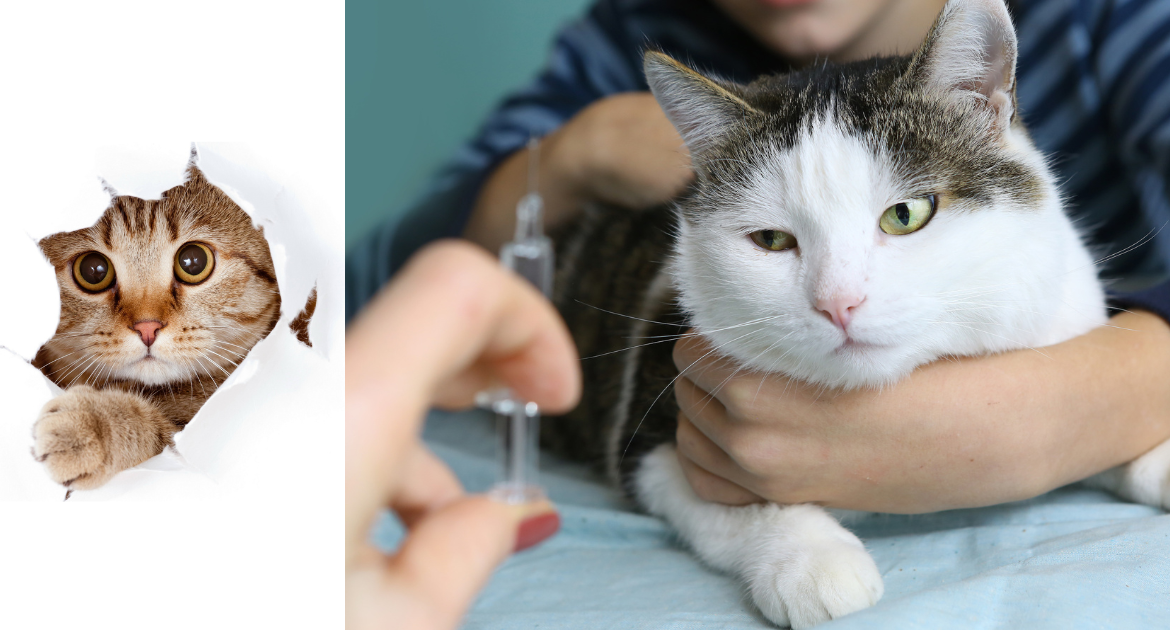
Prevention of such a severe disease is largely based on keeping up-to-date immunization history for all your pets, including the indoor ones. Boosters create an immune protection system, making sure that the virus will be neutralized in case of accidental contact with wildlife. Being proactive about the routine vaccinations of your cat is both important for proper veterinary care and legal in many areas.
See also: The Role of AI in Business Process Automation
In case there are any indications that your cat might have had contact with any animals in the wilds, then you should take precautions while handling your pet so as to avoid coming into accidental contact with saliva or being bitten. This will be done by making sure not to handle your pet without the use of heavy duty gloves, carriers, or thick blankets.
When planning how to deal with this problem of possible viral infection, it requires the cooperation of qualified veterinarians and animal control agents as well as public health professionals. These are because the set guidelines on exposure control need to be followed as the duration of quarantine or boosters depend on vaccination history of your pet.
