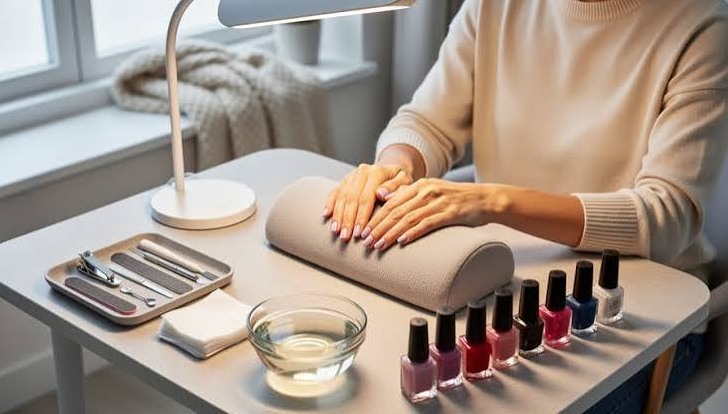

Every manicure table in a salon has a story behind it, and that story begins with the people who designed and built it. A good table is not simply a flat surface with a few drawers; it is a workstation shaped by an understanding of how nail technicians actually work. Choosing a table means choosing a maker, and learning what separates a careful manufacturer from an ordinary one helps a salon owner invest in furniture that will serve the business well for years. A thoughtful nail manicure table manufacturer pays attention to details that only become obvious after months of daily use, and those details are what make the difference.
A manicure table has a demanding job. It holds the client’s hands at a comfortable height, keeps tools and products within easy reach, and provides a stable surface for detailed work that requires a steady hand. The technician sits at the table for hours each day, so the height, the shape of the edge, and the position of the armrest all affect comfort and posture. A table that is even slightly too high or too low forces the technician into an awkward position that becomes painful over time. A table that wobbles or tips when a client leans on it is not only annoying but also unsafe for detailed work.
The materials tell much of the story. A well-made table uses a solid frame that does not wobble, a worktop that resists stains from polish and remover, and drawers that slide smoothly even when full. The finish should be easy to wipe clean between clients, because nail work involves dust, liquids, and small spills. The worktop should also resist heat from lamps and tools, and the edges should be smooth and sealed so moisture cannot creep in and cause swelling over time. Cheaper tables often look similar at first glance, but the difference appears quickly: drawers stick, edges chip, and the surface starts to show wear within months.
Ergonomics is where a good maker really earns their reputation. The best tables are designed around the way a technician sits and works, with a comfortable distance between the technician and the client, and a wrist rest that supports the hands without forcing them into an unnatural angle. Lighting matters too, and many tables are designed to work with a lamp positioned to light the work area without glare. These choices come from watching real technicians at work, not from guessing.
Storage That Works as Hard as You Do
Storage is one of the most practical features of a manicure table, and it deserves careful thought. A technician needs polishes, tools, files, and care products close at hand, but the worktop must stay clear enough to work on. Drawers of different depths suit different items, and a well-planned layout means the technician rarely has to stand up or stretch across the room. Some tables include space for a dust collector, which keeps the air cleaner and the worktop tidier during filing.
The arrangement of storage also affects hygiene. Tools should have a clean, dry place to rest between clients, and products should be stored upright and out of direct sunlight. A table with thoughtful storage makes it easy to keep everything organised, and an organised station is faster to clean and more pleasant to work at. A small tray or organiser on the worktop can keep the most-used items within reach without cluttering the surface. When a salon is busy, these small efficiencies add up to real time saved across the day.
See also: Creating a Financial Plan That Can Adapt to Change
What to Ask Before Buying
Before choosing a table, it helps to ask the maker a few direct questions. What materials are used in the frame and the worktop? How is the table finished, and how should it be cleaned? What kind of guarantee or aftercare is offered, and how quickly can spare parts be supplied? A maker who answers clearly and honestly is showing confidence in their product, while vague answers are a warning sign worth heeding.
It is also worth asking other salon owners about their experience. A table that has survived years of daily use in a busy salon has proven itself in a way no brochure can match. Reviews and recommendations from people who use the furniture every day are often the most reliable guide, and they can reveal strengths and weaknesses that are easy to miss in a showroom.
Frequently Asked Questions
1. What makes a good manicure table?
A good table is stable, comfortable to work at, and easy to clean. It should have practical storage, a worktop that resists stains, and a height and shape that suit the technician’s posture during long working days.
2. Why does the manufacturer matter when buying a manicure table?
The maker decides the materials, the construction, and the finish, and these determine how long the table lasts. A careful manufacturer also provides better aftercare, spare parts, and honest advice.
3. What should I check before ordering a manicure table?
Check the materials, the stability of the frame, the storage layout, and how easy the surface is to clean. Ask about aftercare and spare parts, and try the table in person if you can.
Conclusion
A manicure table is the heart of the nail station, and its quality shapes every treatment that happens on it. By looking beyond the surface and considering the maker, the materials, and the ergonomics, a salon owner can choose a table that supports great work day after day. It is a decision worth taking slowly, because the table will be used every day and its quality shows in every treatment. The right table does not draw attention to itself; it simply lets the technician focus on the client, and that is exactly what good furniture should do.